
Grabouw comes together to tackle river pollution

Citizen science findings are helping build a clearer picture of waste and water quality challenges in Grabouw – and bringing the community together to find solutions.
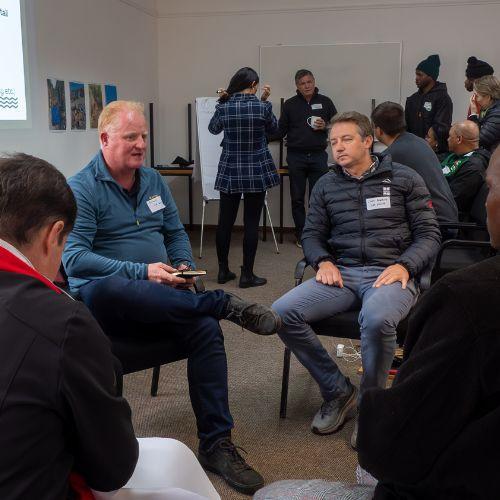
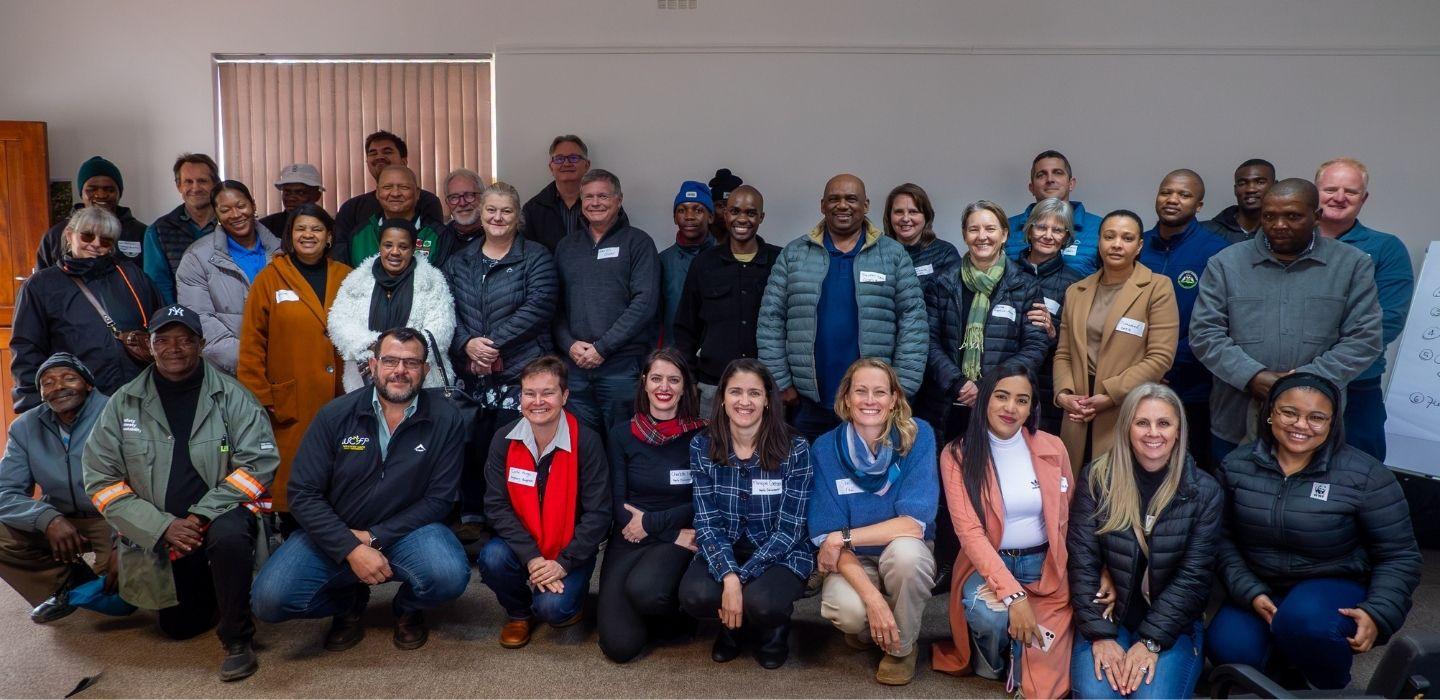
Around 50 people representing communities, businesses, landowners, government and environmental organisations came together in Grabouw this week with a common goal: to find practical ways to address the growing waste and water pollution challenges affecting the town and its rivers.
The event, hosted by the Kogelberg Biosphere at Fruitways, brought together community members and ward councillors, the Grabouw Development Agency, Overberg District Municipality and national government officials. Local businesses, landowners and environmental NGOs were also represented.
The discussion was informed by evidence gathered on the ground through the UNESCO-supported Grabouw River Guardians citizen science project.

59 dumpsites mapped
Citizen scientists have now mapped 59 illegal dumpsites in Grabouw, covering a combined footprint of approximately 16 000 m². Sanitary waste remains particularly widespread, recorded at all but one of the mapped sites.
Monitoring of the Klipdrift River, Industrial Road Stream and Palmiet River has also recorded 8 469 items of litter along riverbanks during 12 surveys. In the process, 146.9 kg of waste has been removed.
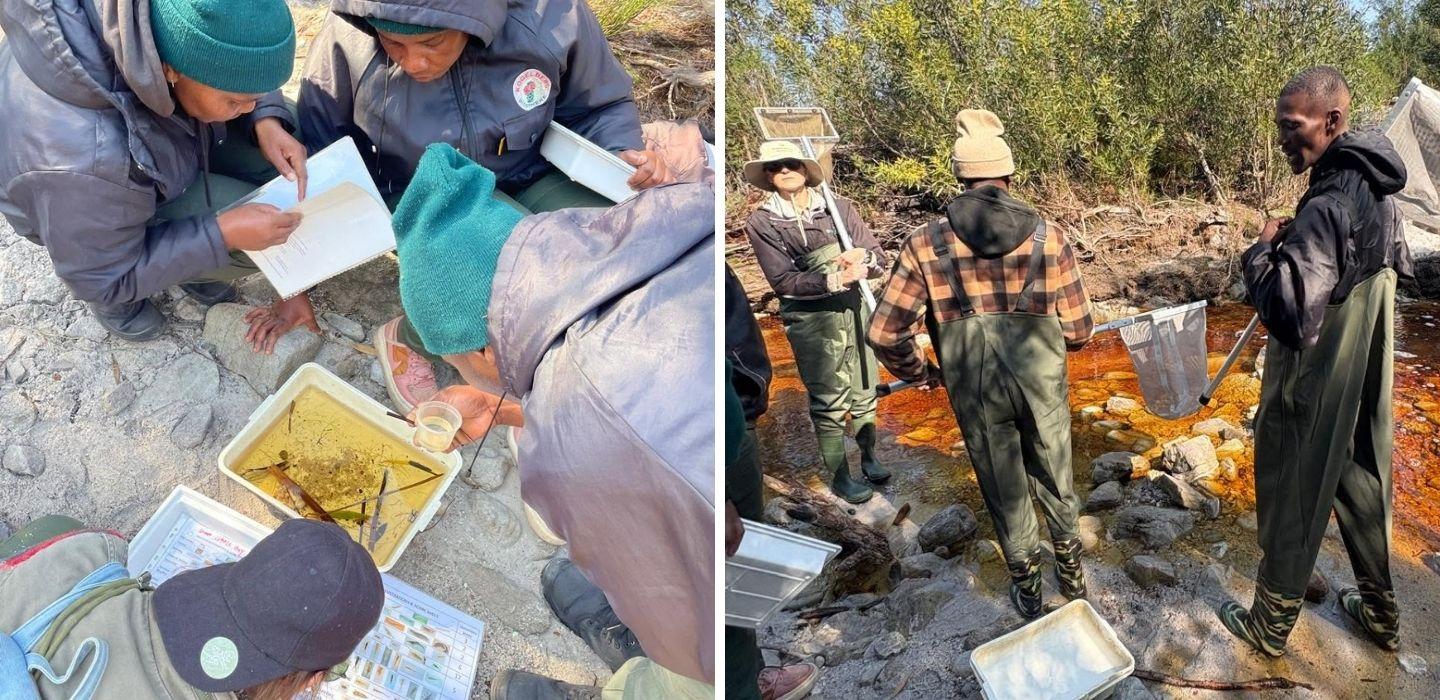
At the same time, water quality and river health assessments are also being completed through the project. Citizen scientists have received training in miniSASS5 – the South African Scoring System version 5 – which uses aquatic macroinvertebrates to assess the ecological health of rivers. Water quality samples are taken at three sites along the Klipdrift River, an important tributary to the Palmiet River that is affected by solid waste and waste water challenges.
Upstream versus downstream
According to Researcher at the Freshwater Research Centre, Shelly Fuller, the first assessments are already showing notable differences between sites.
“Upstream sections of the Klipdrift River show a diversity of aquatic life, while further downstream, near the Klipdrift bridge, the picture changes significantly,” she said. This was expected given the sanitation conditions and solid waste service delivery challenges within the growing informal area around this section of Grabouw.
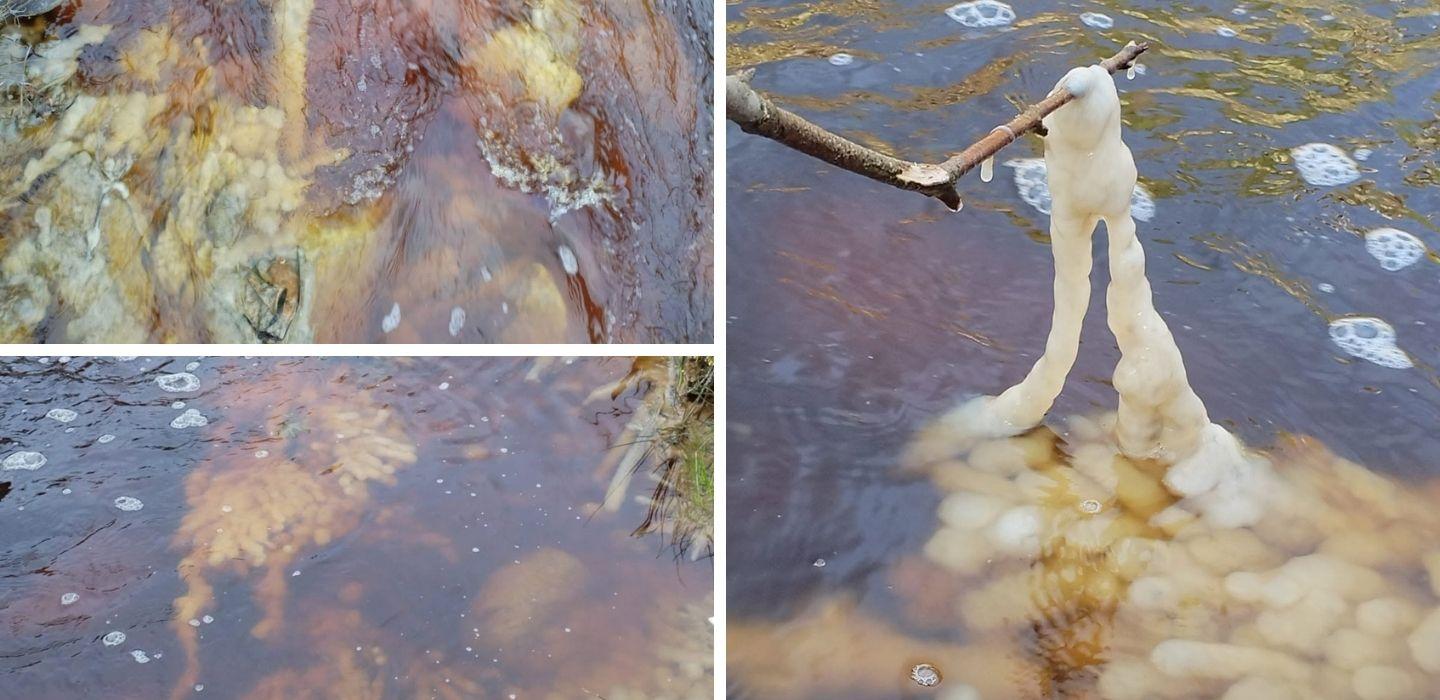
Another unusual discovery has also raised questions. During citizen science monitoring in July, the team discovered an extensive fungal biomass in a section of the Klipdrift River where little other visible aquatic life was present. Although sharing similar features to the grey feather-like fungal growth commonly seen in sewage polluted water, the white, cotton-wool like growth was identified under a microscope as distinctly different. Importantly, this fungus has not been observed before by any of the seven experienced microbiologists consulted through the initial assessment, indicating a unique pollution pressure that was not present in the river system before. Samples were subsequently collected by the project team and sent on to the lab in Stellenbosch for a detailed water quality and microbiological analysis.
She added, “We need to understand what this is and where it’s coming from to prevent it from happening again. And we need to understand the pressures our rivers are under in order to come up with solutions.”
Monthly river health assessments and quarterly laboratory water testing will now continue, building on to the monitoring that is being done by regional partners like the Groenland Water Users Association, Blue Deal and BOCMA, helping to build a longer-term picture of what is happening within the catchment.
Seeking practical solutions
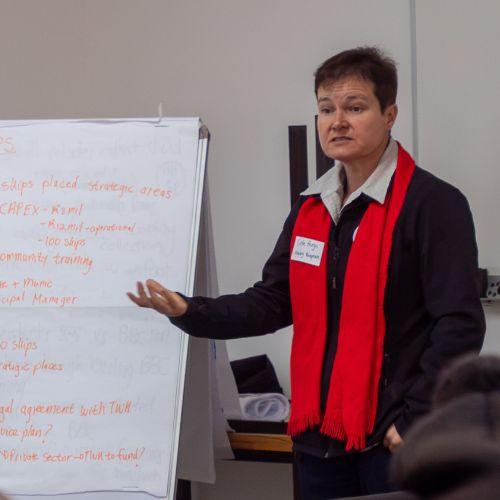
After assessing the challenges, workshop participants looked at what could practically be done. Ideas included improving waste collection points and investigating strategically placed skips, recycling and buy-back centres, and creating livelihood opportunities through waste. Participants also highlighted the importance of environmental education and better planning for waste services as Grabouw grows.
For local tour guide Ayanda Witbooi, the impacts are already visible in the community. He described open spaces where children once played that are now affected by dumping, as well as people having to travel further to find clean water. “I’m not pointing fingers, but we must raise awareness to bring change to our community,” he said.
Planning for the future
Head of Environmental Management at the Overberg District Municipality, Francois Kotze, also highlighted the importance of planning ahead. With thousands of new residential plots planned for Grabouw, future development must take municipal capacity and waste services into account. He said, “We need a way forward to suit municipality resources and financial ability. You need to be able to implement the plan, if not, you’re chasing your tail.”
Charlotte Nell of Aquila Environmental, who facilitated the event together with Prof Rinie Schenck, Chair in Waste & Society from the University of the Western Cape, said the next step is to strengthen collaborative governance and create a shared vision for healthier rivers and a cleaner Grabouw.
The workshop discussions and proposed solutions will now be documented and shared with the relevant authorities and partners to help develop the way forward.
According to Corlie Hugo, CEO of the Kogelberg Biosphere,
“This workshop is a great start – a place for all players and stakeholders to come together and discuss possible solutions. But we need to be clear that this is only the start. Now we have the right people involved and buy-in almost across the board to address this challenge – which we hope will kickstart serious action.”


LATEST NEWS
Following the trail of waste in Grabouw
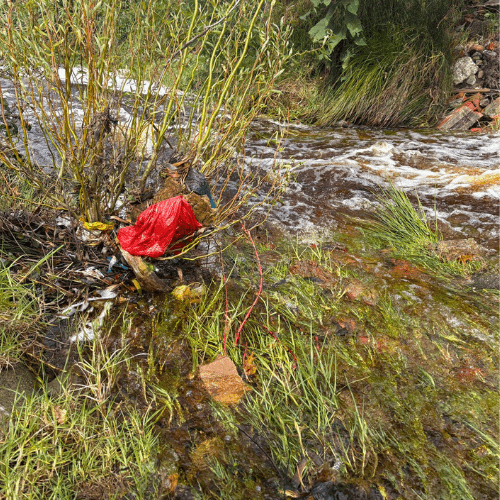
Solid waste pollution is more than an eyesore. Once waste enters rivers and streams, it affects water quality, ecosystems and the communities that depend on these waterways.

When a dassie turns up in your bedroom
What do you do when you find a dassie (a rock hyrax) in your bedroom in the middle of town? That was the unexpected question facing Hermanus resident Vanessa Cupido when she came face-to-face with a confused wild animal
Donate
We are a not-for-profit company and a public benefit organisation. All funds raised therefore go to meeting our motto: Nature for Life.
We can provide 18A tax exemption certificates to donors.
For more information, contact admin@kogelbergbiosphere.org.za
Biosphere Living
Become a Kogelberg Biosphere member – and enjoy benefits specially designed to assist you and/or your business.
You can take the next step, to become even more involved in the Kogelberg Biosphere.
And remember to include us in your social media posts, by using the hashtag: #BiosphereLiving.