
Awareness &
Citizen Science

Tracking solid waste & river health in Grabouw
Solid waste has become a growing concern in the Kogelberg Biosphere. The Grabouw region is no exception. Little data is available to understand the scale of the problem, or what interventions are needed to help drive change.
In order to address this, the Kogelberg Biosphere has launched a UNESCO-supported Citizen Science Project in partnership with the University of the Western Cape, Aquila Environmental and other stakeholders. The project aims to establish the first evidence-based baseline of solid waste pollution in Grabouw.
Its goals include:
- Creating a community-driven monitoring system to help reduce illegal dumping
- Improving water quality
- Providing local communities, authorities and other stakeholders with the information needed to bring about positive change.
Through the project, titled ‘Kogelberg Biosphere UNESCO Citizen Science for Solid Water & River Health Project in Grabouw’, citizen scientists from the community are assisting to collect the data under the guidance of Project Coordinator Nomfusi Msitho.
It uses five complementary field methods:
1. Dumpsite mapping:
Rangers walk designated blocks of Grabouw, recording every illegal dumpsite larger than one square metre, noting size, the types of waste present and whether it’s visible and accessible to the public, as well as what would be needed to remove it.
2. Riverbank litter surveys:
The Biosphere Rangers collect, count and weigh every piece of litter they find between the high-water mark and the water’s edge monthly at three fixed sites: Palmiet River at Shoprite, Klipdrift River and Industrial Road Stream.
3. Floating macro-litter observations: Rangers observe what’s actually moving through the water at the three sites on a weekly basis, giving a real-time picture of how much waste is actively being transported downstream.
4. Water quality monitoring:
Through the South Africa Scoring System version 5 (SASS5) monitoring method, river health is determined by sampling aquatic macroinvertebrates and interpreting their presence, diversity and sensitivity to pollution.
5. Community co-design:
Once the information has been collected, it will be use to co-create solutions involving community members, agricultural stakeholders, municipalities and other partners.


The Kogelberg Biosphere team works across the land and waterscapes in our biosphere, to make things better for both people and nature.
But the Biosphere team cannot achieve success without the buy-in of our Biosphere residents, and other partners and stakeholders.
That’s why it’s vital that we raise awareness around the importance of this natural area, and why it needs to be protected. But more than that – that we use our platforms to showcase the many projects that we roll out, and the strength of the partnerships in our Biosphere.
To achieve this, the Kogelberg Biosphere team has created a communications plan according to which we operate – guided by and implemented by the Kogelberg Biosphere team and Directors, working with LoveGreen Communications.
Raising awareness on our digital platforms
Working with partners, we have revamped the website to showcase our work. The goal of the website is not only to raise awareness with residents and visitors, but also to encourage greater interaction and involvement in the Biosphere.
We also relaunched on social media platforms, to excite our Biosphere Living residents about how they can benefit from living in a Biosphere, and to show how all residents have a role to play to help nature and people.
A newsletter is sent quarterly to those who have signed up, sharing up-to-date and relevant information regarding Biosphere projects, as well as tips on how to live closer to nature, and how to protect homes and natural areas against possible threats that relate to Biosphere Living. These newsletters are also uploaded later to our Resources page
Wherever we can, we share stories with our partners in the media, to encourage greater reach. We’re grateful to our wonderful media partners, such as The Village News and the Overstrand Herald for reporting on vital Biosphere-related matters.
Partnerships are also vital for the Biosphere, and we work closely with a number of partners, who share our news and collaborate on printed works (such as books).
To find out more, check out our social media
Get involved
You can also get involved in the Biosphere, by giving your voice to the natural world. Find out more here.
Check out our Kogelberg Biosphere resources – including past newsletter, annual reports and other key info here.
Donate
We are a not-for-profit company and a public benefit organisation. All funds raised therefore go to meeting our motto: Nature for Life.
We can provide 18A tax exemption certificates to donors.
For more information, contact admin@kogelbergbiosphere.org.za
LATEST NEWS
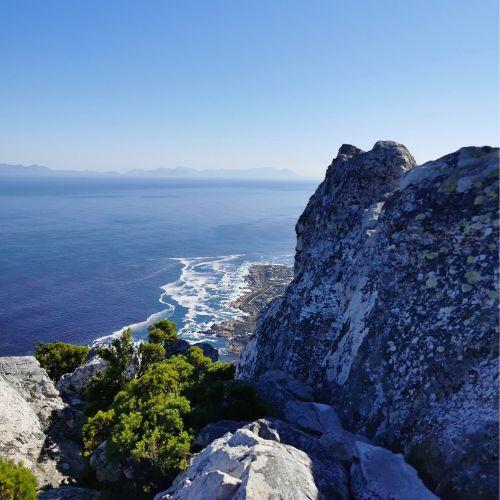
Seven mini-stories about our Kogelberg heritage
Heritage is all around us in the Kogelberg Biosphere. Sometimes it’s easy to see: the old wagon tracks captured in stone, or a path that has been walked for generations.
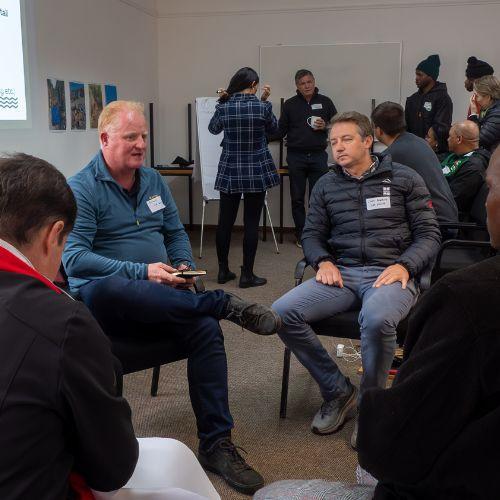
Grabouw comes together to tackle river pollution
Citizen science findings are helping build a clearer picture of waste and water quality challenges in Grabouw – and bringing the community together to find solutions.
Biosphere Living
Become a Kogelberg Biosphere member – and enjoy benefits specially designed to assist you and/or your business.
You can take the next step, to become even more involved in the Kogelberg Biosphere.
And remember to include us in your social media posts, by using the hashtag: #BiosphereLiving.