
What do you need to know about living in a biosphere? Here’s a list of general questions and answers you might have been wondering about.

What is a biosphere – and specifically the Kogelberg Biosphere?
A biosphere (or a biosphere reserve as they are often known) is a place where people and nature are meant to thrive together.
The Kogelberg Biosphere is part of UNESCO’s global network of biosphere reserves – landscapes that protect biodiversity while supporting sustainable development and local communities.
Here we encourage our biosphere residents to live with and in nature responsibly, and enjoy the privilege of it.
Where is the Kogelberg Biosphere?
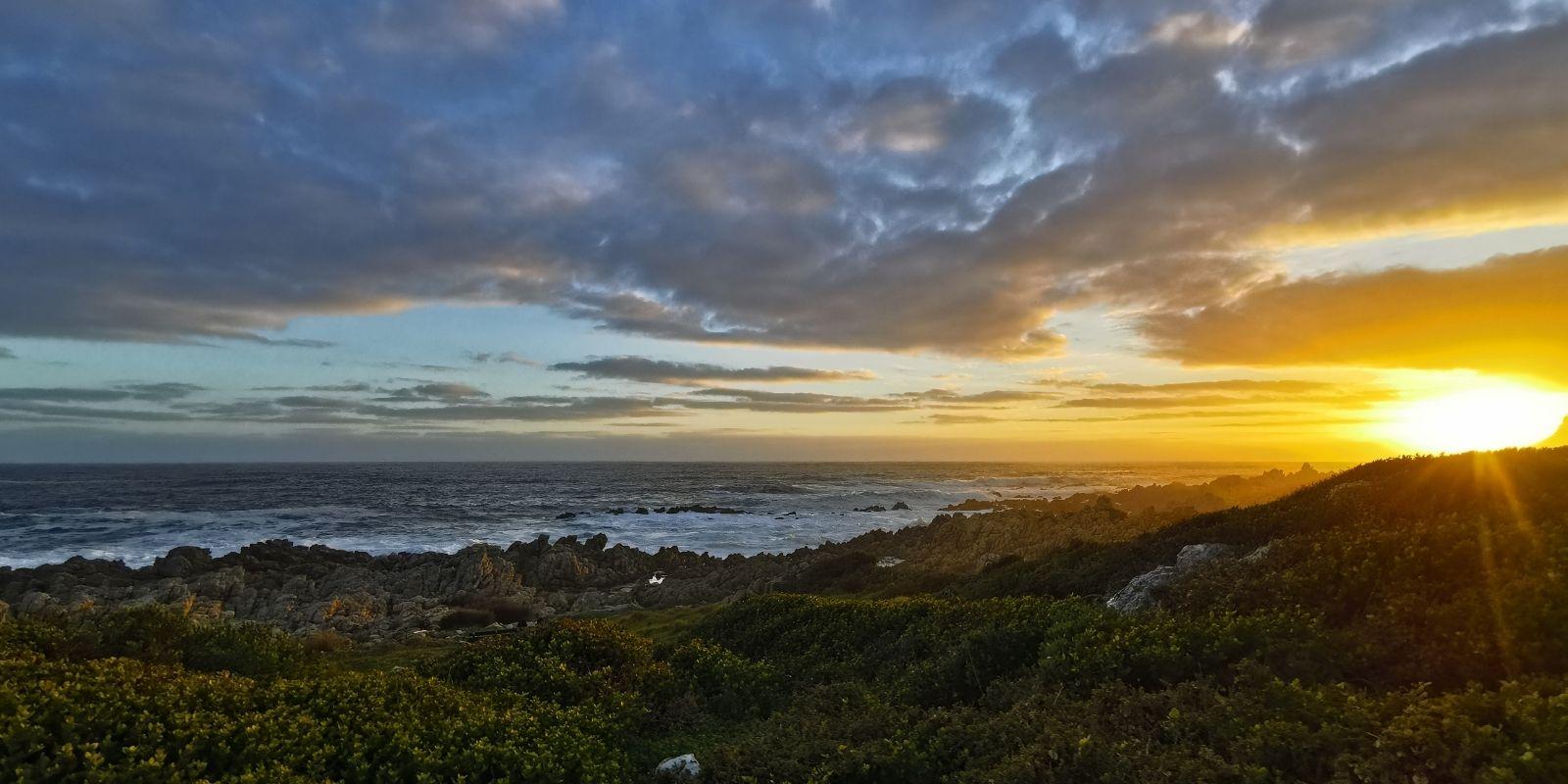
The Kogelberg Biosphere is located in the Western Cape of South Africa, stretching from Gordon’s Bay in the northern regions to just north of Hermanus along the coast, and inland through mountain and agricultural landscapes covering the Kleinmond and Hottentots Holland Mountains.
It includes towns such as Betty’s Bay, Pringle Bay, Kleinmond, Grabouw and Bot River, about 100 000 hectares in size – forming part of one of the most scenic and ecologically important regions in the country.
How does the Kogelberg Biosphere differ from the Kogelberg Nature Reserve?
A nature reserve is a protected area focused on conservation. In this case, the Kogelberg Nature Reserve is a protected area that is owned and managed by CapeNatue, the provincial conservation authority.
A biosphere is much broader. It includes:
– protected areas (like the nature reserve, but also other protected areas such as stewardship sites and protected environments)
– buffer zones where sustainable activities take place
– transition areas where people live, farm and develop
As such, the Kogelberg Biosphere includes the Kogelberg Nature Reserve, the Stony Point Nature Reserve, the Hottentots Holland Nature Reserve and other protected CapeNature reserves and other protected areas found here. But it also includes natural land that isn’t formally protected, as well as agricultural land and towns. While the biosphere doesn’t own this land, it does work across the entire area.
Why is the Kogelberg Biosphere important?
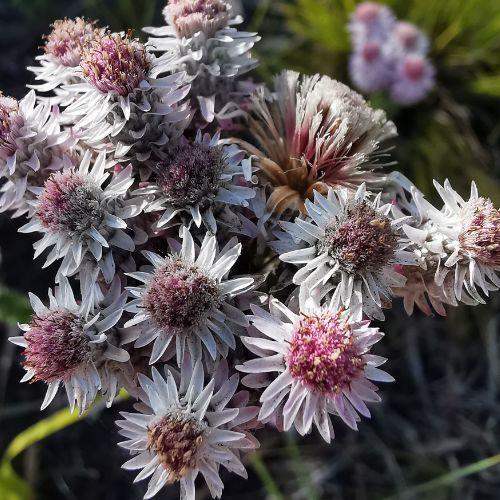
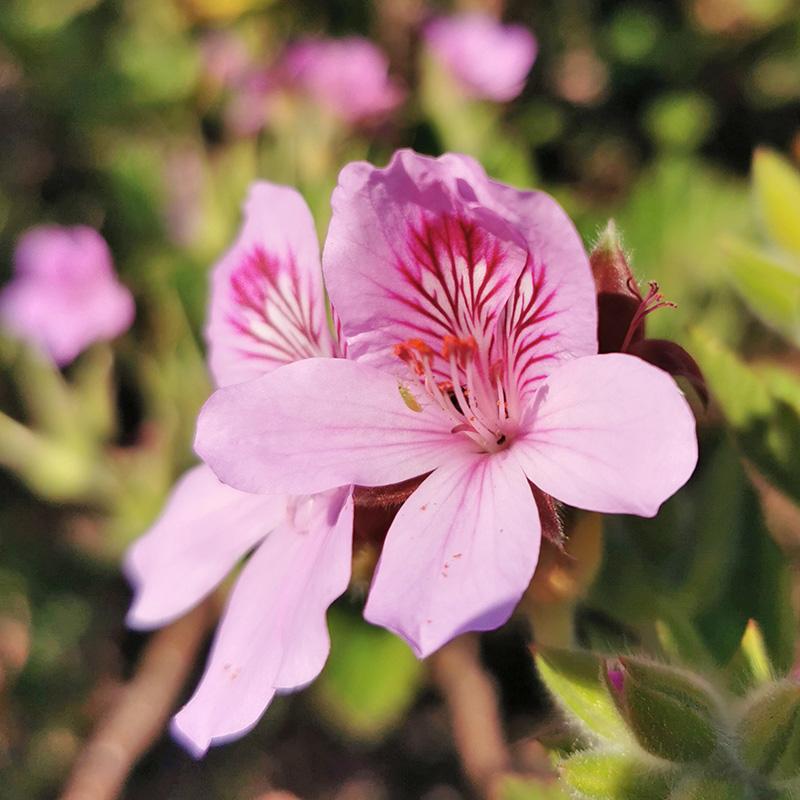
The Kogelberg Biosphere lies at the heart of the Cape Floral Kingdom, the most biodiverse temperate floral region on Earth. Within a small area, it contains an extraordinary variety of plant species, many of which are found nowhere else. Already 1 880 plant species have been identified here, and that list is constantly growing. Nearly 80 of these are endemic, in other words they’re found nowhere else on Earth. The biosphere also houses 3 500 marine species, many on the brink of extinction.
Our Kogelberg Biosphere also plays a critical role in:
– protecting water catchments like the Palmiet River
– supporting biodiversity
– maintaining ecosystem services that people depend on
Does the Kogelberg Biosphere own the land?
No – the Kogelberg Biosphere does not own the land. The biosphere works across a landscape made up of privately owned land, farms, towns, protected areas and public land.
Its role is to:
– coordinate conservation efforts
– support sustainable development
– build partnerships across the region
How does the Kogelberg Biosphere operate?
The biosphere works through collaboration. It brings together:
– landowners
– communities
– conservation organisations
– government
– businesses
Together, these partners work to protect biodiversity, manage natural resources and support sustainable livelihoods across the landscape. The Kogelberg Biosphere is managed by the Kogelberg Biosphere Not-for-Profit Company, which employs a Chief Executive Officer and a support team, and is overseen by a Board of Directors.
It focuses on five themes:
– Growing the economy
– Protecting nature, which includes managing the Kogelberg Biosphere Wildlife Rescue & Training Centre
– Providing education & awareness raising
– Securing water
– Seeking nature-based solutions
What makes the Kogelberg Biosphere unique?
The Kogelberg Biosphere is:
– the oldest biosphere in South Africa
– located at the heart of fynbos biodiversity
– home to around 80 endemic plant species
– the only biosphere in South Africa with a dedicated Wildlife Rescue and Training Centre
It is also a leader in landscape-level conservation, with active restoration work, a formal management plan and strong partnerships across sectors.
What kind of work does the biosphere do on the ground?
The Kogelberg Biosphere is involved in a wide range of practical conservation work, including:
– clearing invasive alien plants to restore ecosystems and improve water security
– supporting wildlife rescue and rehabilitation
– deploying biosphere rangers to monitor and protect the landscape
– running awareness-raising programmes to showcase the biosphere
How does the biosphere support local communities and the economy?
The biosphere helps create opportunities that benefit both people and nature.
This includes:
– job creation through restoration projects
– supporting sustainable tourism initiatives
– working with local partners and businesses, including the Grabouw Development Agency – an
– organisation actively creating and running community-based social projects
By linking conservation to livelihoods, the biosphere supports a more resilient local economy.
What does “living in a biosphere” mean in practice?
Living in a biosphere means recognising that everyday choices have an impact on the environment.
It includes:
– gardening with indigenous plants
– being fire-wise
– reducing waste and pollution
– respecting wildlife – for example, driving with care to reduce traffic collisions with wildlife
using natural resources responsibly
The role of the biosphere is to encourage residents and visitors to also adopt the biosphere ethos: to live with nature. It’s to show that if we all take small actions – these can collectively add up to help protect this landscape into the future.
Why does the Kogelberg Biosphere matter globally?
The Kogelberg Biosphere forms part of a global network of UNESCO biosphere reserves – places that are testing new ways of balancing conservation and development.
As the world faces climate change and biodiversity loss, these landscapes are increasingly important.
They show that it is possible to protect nature while supporting people and economies.
How can I get involved or support the biosphere? ?
There are many ways to support the Kogelberg Biosphere:
– become a business or affinity member
– donate to conservation projects
– volunteer your time
– visit responsibly
– share what you’ve learned
Your contribution helps protect this unique and globally important landscape.
LATEST NEWS
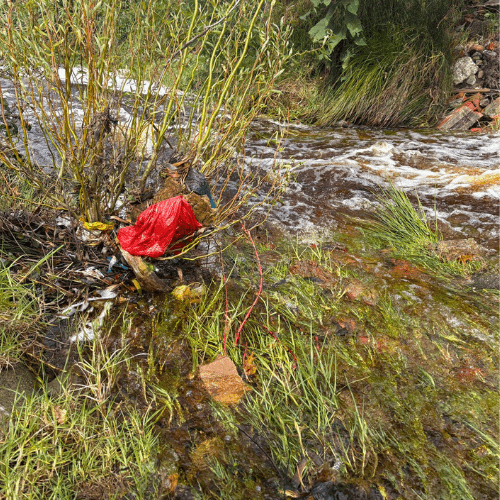
Following the trail of waste in Grabouw
Solid waste pollution is more than an eyesore. Once waste enters rivers and streams, it affects water quality, ecosystems and the communities that depend on these waterways.

When a dassie turns up in your bedroom
What do you do when you find a dassie (a rock hyrax) in your bedroom in the middle of town? That was the unexpected question facing Hermanus resident Vanessa Cupido when she came face-to-face with a confused wild animal
Biosphere Living
If you live in the Kogelberg Biosphere Reserve region, you’re already enjoying Biosphere Life. That means you can already enjoy all that Mother Nature offers you here, in this incredibly special part of the world.