
An urgent call to action: Conservation at a crossroads

Nearly half of the Kogelberg Biosphere is made up of formal protected areas. These serve as our core conservation zones – the places where nature is meant to flourish. Surrounding them are our buffer zones, many of which are conservancies that help shield these natural areas from the pressures of development and town expansion.
Our core areas include provincial nature reserves, proclaimed mountain catchment areas and municipal nature reserves. We are also fortunate to have a number of private nature reserves within our borders – landowners who have made the ultimate conservation commitment to protect their land in perpetuity.
The Kogelberg was the first Biosphere to be declared in South Africa, thanks to its extraordinary biodiversity. Known as the heart of the Cape Floral Kingdom, this region holds more than 1 880 fynbos plant species, an astonishing level of diversity for such a small area. It is also a World Heritage Site in recognition of its outstanding value to humanity.


Protecting this heritage should be a primary objective of all who live in the Biosphere. Biosphere reserves provide an opportunity for residents living there to become stakeholders in the conservation and development of their area. They bring multiple views, expertise and local knowledge that can help to address environmental problems, in which both local people and scientists can get involved.
Yet there are critical challenges we, as stakeholders in the Kogelberg Biosphere, must urgently confront:
Invasive alien species
Without consistent management, invasive plants dramatically increase the risks of both fire and flooding. They displace local biodiversity, reduce water resources, and can increase fire intensity, often leading to increased erosion. These species are spreading rapidly despite many efforts to contain them, and more needs to be done to prevent the destruction of the Biosphere’s outstanding value.
Lack of fynbos management
Fynbos is fire-prone and fire-dependent, and needs to burn every 15 to 20 years, preferably in summer. These fires can also be problematic because they spread alien plants and put houses and people at risk. Burns that happen too often – or not at all – can lead to species loss. Fires therefore need to be managed through a programme of regular prescribed burning to periodically reduce fire hazard and rejuvenate the veld, and also by preventing or containing fires that may threaten recently burnt areas or nearby houses, but there are legal and capacity constraints to doing this.
Illegal activities in our conservation areas
Large, rugged natural landscapes are difficult to police. But if we fail to do so, we risk losing species found nowhere else on Earth. Illegal fynbos harvesting strips plants and seeds from the ecosystem. Snaring kills wildlife indiscriminately and cruelly. Feral dogs
and hunting with dogs pose additional threats. These challenges demand dedicated resources, capacity and commitment, and they must be prioritised.
Maintenance to showcase our biosphere
Visitors from around the world come to experience the Kogelberg’s natural wonders. Well-maintained conservation areas support tourism, create jobs and help strengthen our local economy. When infrastructure like paths and roads deteriorate, we feel the consequences: fewer visitors, fewer jobs, a weaker economy and fewer resources to realise our biosphere vision – sustainable development for all.
As Biosphere Living residents, each of us has a role to play. No one can afford to look away. And there are many organisations, partners and friends, ready to provide support to bring about better protected conservation areas. This is a team effort, where we should avoid working in silos and rather work together.
We all benefit from a thriving biosphere
– and we all lose when we fail to act.

LATEST NEWS
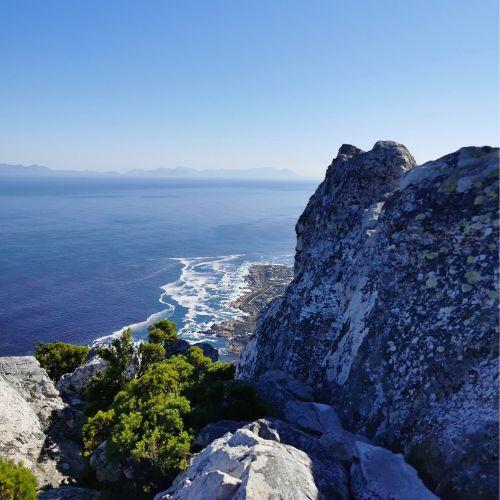
Seven mini-stories about our Kogelberg heritage
Heritage is all around us in the Kogelberg Biosphere. Sometimes it’s easy to see: the old wagon tracks captured in stone, or a path that has been walked for generations.
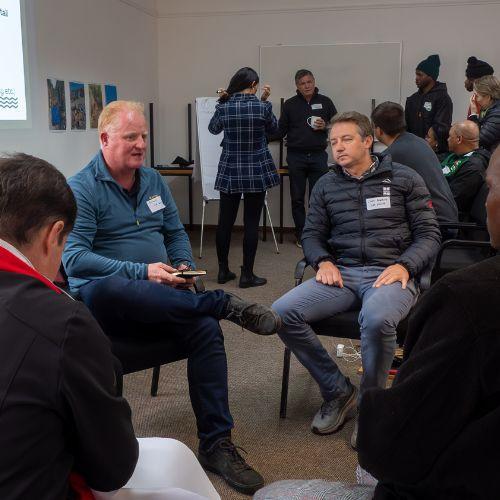
Grabouw comes together to tackle river pollution
Citizen science findings are helping build a clearer picture of waste and water quality challenges in Grabouw – and bringing the community together to find solutions.
Donate
We are a not-for-profit company and a public benefit organisation. All funds raised therefore go to meeting our motto: Nature for Life.
We can provide 18A tax exemption certificates to donors.
For more information, contact admin@kogelbergbiosphere.org.za
Biosphere Living
Become a Kogelberg Biosphere member – and enjoy benefits specially designed to assist you and/or your business.
You can take the next step, to become even more involved in the Kogelberg Biosphere.
And remember to include us in your social media posts, by using the hashtag: #BiosphereLiving.