
How cuisine drives conservation in the Kogelberg Biosphere

The Kogelberg Biosphere has been selected as the African partner site in a new pilot project led by international hospitality operator Relais & Châteaux in collaboration with UNESCO. This culinary partnership places one of the world’s most biodiverse landscapes at the centre of a global sustainability and gastronomy initiative.
Announced in Paris on 3 February 2026, the initiative brings together four Relais & Châteaux restaurants across four continents with UNESCO-designated sites, including Biosphere Reserves and World Heritage Sites. The projects aim to show how gastronomy can contribute to biodiversity conservation, cultural heritage protection and climate-conscious food systems.


Photos provided by Relais & Châteaux
In South Africa, the renowned Cape Town-based FYN restaurant, part of Relais & Châteaux, directly sources ingredients from within the biosphere and the Cape Floral Region Protected Areas UNESCO World Heritage site – raising awareness of their ecological importance.
For the Kogelberg Biosphere – South Africa’s oldest biosphere and home to more than 1 700 plant species – the collaboration represents a strategic opportunity to advance conservation outcomes while showing the beauty and significance of this plant kingdom.
“This partnership allows the biosphere to do what it was designed to do,” says Corlie Hugo, CEO of the Kogelberg Biosphere. “To test and showcase ways in which people and nature can thrive together – and to share those lessons locally and internationally.”
Fynbos species, responsibly represented
At the heart of the project is a focus on indigenous plant species traditionally associated with the Kogelberg landscape and surrounding Cape Floristic Region. Rather than just extracting ingredients from the wild, the collaboration prioritises responsible cultivation, research and education – helping to protect sensitive ecosystems while reviving interest in forgotten or underutilised species.
This approach directly supports the biosphere’s mandate to conserve biodiversity while enabling sustainable livelihoods. By shifting the emphasis from foraging to cultivation and knowledge-sharing, the project also discourages illegal harvesting.
Local farmers including Dr Paul Cluver, conservation practitioners and researchers such as Dr Jan de Vynck are involved in supporting this work, ensuring that scientific knowledge, traditional ecological understanding and land management practices inform how species are grown and used.

Enjoying pigroot and dune spinach
For restaurants, the collaboration also provides a framework for engaging with landscapes, traditional knowledge and communities – and for communicating those values to international audiences.
According to Founder & Managing Director of FYN, Peter Tempelhoff, “Every ingredient tells a story of the land, and our responsibility is to tread lightly while creating extraordinary experiences. We create moments of awe for our staff and guests who have never tasted these products before.” Diners at FYN can now enjoy ingredients like pigroot, dune spinach or beach sage. “Rediscovering indigenous plants brings us closer to the way humans once lived in harmony with nature,” adds Culinary Director Ashley Moss.
UNESCO’s involvement ensures that the project aligns with broader global commitments to safeguarding both natural and cultural heritage. The initiative forms part of UNESCO’s wider work with Biosphere Reserves as learning sites for sustainable development, where innovative practices can be tested and adapted elsewhere.

Global partners and peers
The Kogelberg initiative sits alongside three other pilot projects: sustainable fishing practices linked to a UNESCO World Heritage Site in Japan; the preservation of culinary savoir-faire in France through local agricultural biodiversity; and community-led food education in a North American Biosphere Reserve.
For the Kogelberg Biosphere, inclusion in this global network reinforces its role as a living laboratory for conservation and sustainable development – and highlights how protected landscapes can engage productively with sectors such as hospitality, agriculture and tourism.
As pressure on biodiversity intensifies worldwide, initiatives like this show how protected areas, global institutions and private sector partners can work together to help ensure our natural landscapes are truly valued.


Photos provided by Relais & Châteaux
LATEST NEWS
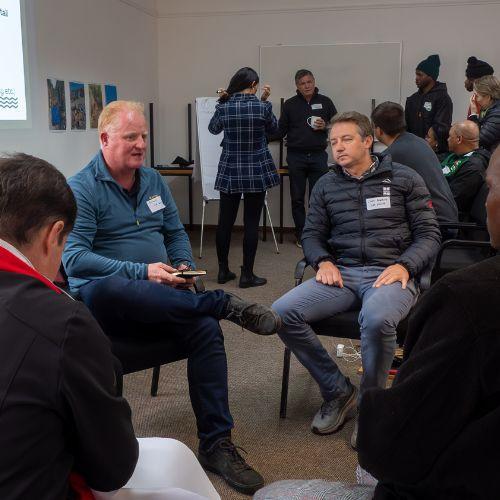
Grabouw comes together to tackle river pollution
Citizen science findings are helping build a clearer picture of waste and water quality challenges in Grabouw – and bringing the community together to find solutions.
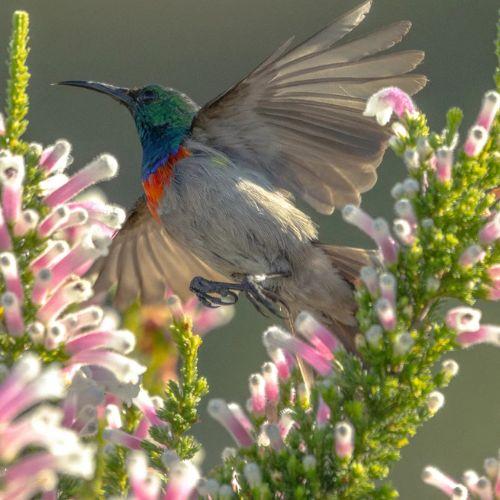
World Photography Day: Behind the lens with Danie Volschenk
If you follow the Kogelberg Biosphere on social media, chances are you’ve already seen the work of photographer Danie Volschenk.
Donate
We are a not-for-profit company and a public benefit organisation. All funds raised therefore go to meeting our motto: Nature for Life.
We can provide 18A tax exemption certificates to donors.
For more information, contact admin@kogelbergbiosphere.org.za
Biosphere Living
Become a Kogelberg Biosphere member – and enjoy benefits specially designed to assist you and/or your business.
You can take the next step, to become even more involved in the Kogelberg Biosphere.
And remember to include us in your social media posts, by using the hashtag: #BiosphereLiving.