
Seven mini-stories about our Kogelberg heritage

Heritage is all around us in the Kogelberg Biosphere. Sometimes it’s easy to see: the old wagon tracks captured in stone, or a path that has been walked for generations. At other times, there is little left to show what of happened in the past.
This Heritage Month, we went looking for some of the stories that form part this landscape – with some surprise discoveries along the way.
A path followed by eland
Long before European settlers began crossing the Hottentots Holland Mountains, the Gantouw route was used by indigenous Khoi people and followed the movement of game, including eland and elephants, through the mountains. Its name is generally understood to mean “eland’s path”, and it allowed eland to move from the Cape Flats area to Swellendam in search of grazing.
The first recorded settler crossing dates to 1664. For generations afterwards, ox wagons negotiated the steep route, their locked rear wheels gouging deep ruts into the sandstone. Those tracks can still be seen today. When Sir Lowry’s Pass opened in 1830, the old route fell out of use as the main wagon crossing. Gantouw Pass was declared a National Monument in 1958.
The Hangklip caves offered refuge
During the 18th century, caves in the Hangklip area provided refuge for people who had escaped slavery at the Cape. A maroon community survived there for years, protected in part by a landscape that was difficult to reach and defend.
The sea provided some food, while the mountains offered protection. Historical accounts show that the community also remained connected to other enslaved and fugitive people living elsewhere in the Cape, a community that remained there from the 1720s to the 1830s.
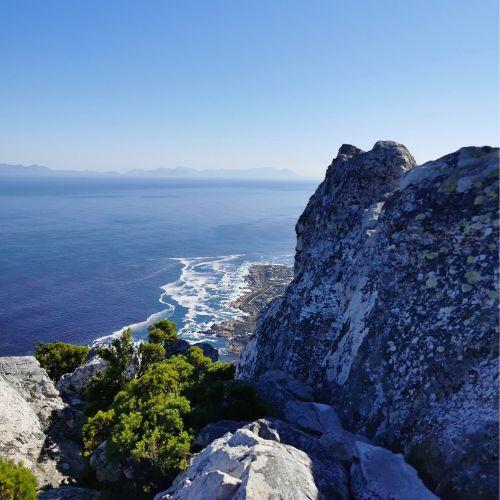
A scenic drive with a wartime story
It’s hard to imagine the Kogelberg coast without Clarence Drive. But before World War II, travelling between Gordon’s Bay and Betty’s Bay was far more difficult. The war accelerated the construction of a coastal road because access was needed to radar installations at Hangklip, Silversands and Betty’s Bay.
And there is a wonderfully human detail hidden in that military history: women served as radar operators at Silversands, working five-hour shifts in pairs. Today, thousands of people travel that same coastline simply to enjoy the view.
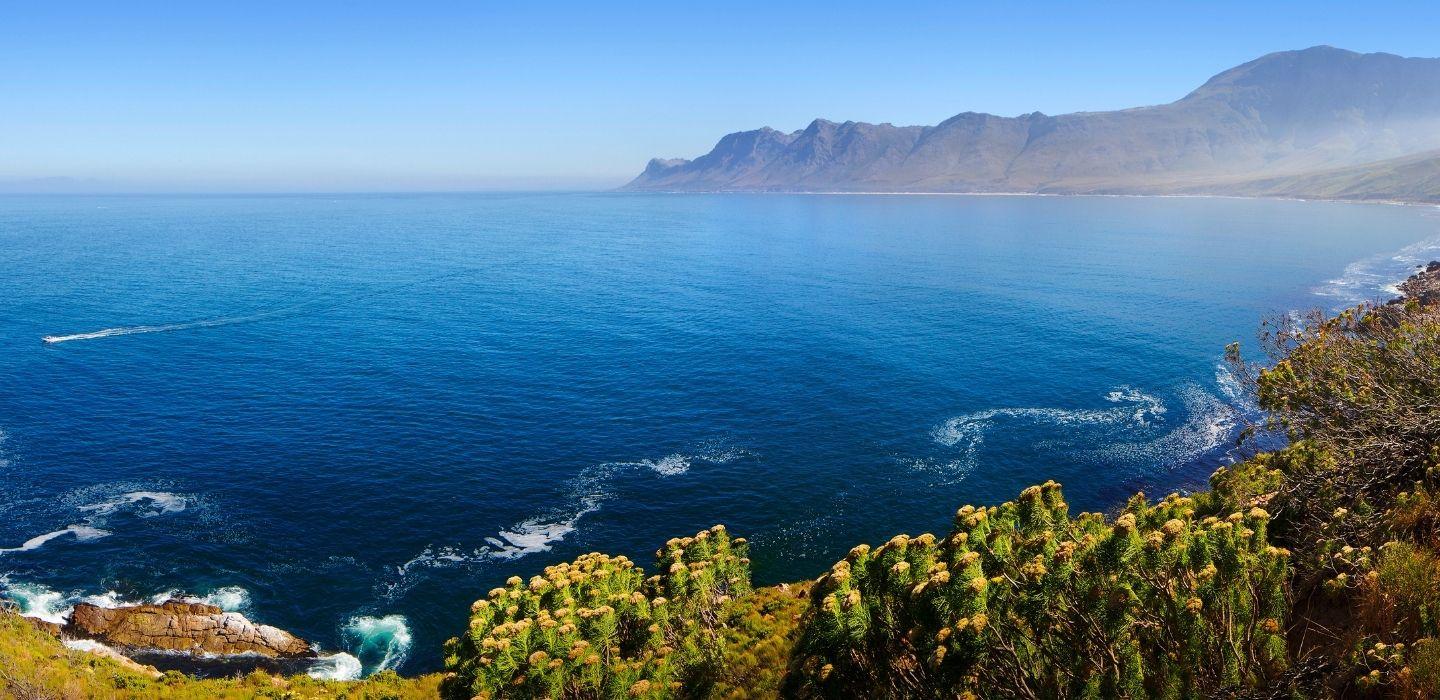
Harold Porter’s “Shangri-la”
After a fire in 1940, Harold Nixon Porter acquired land at Betty’s Bay where he planned to establish a garden and private nature reserve. He called it Shangri-la – paradise.
Porter turned the first sod in 1950 and personally marked out a number of pathways. Following his death, the property was transferred to the National Botanical Gardens and renamed in his honour.
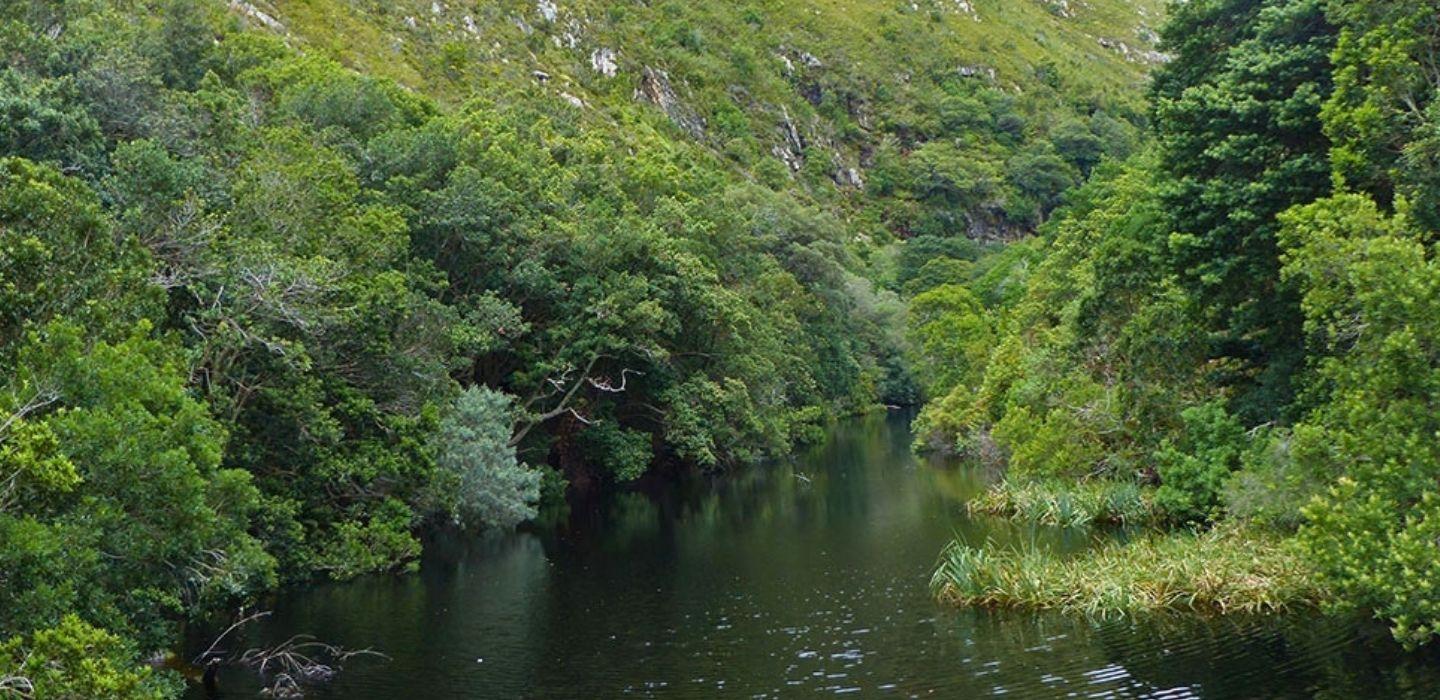

Above: Brunia stokoeii
The botanist who became part of the Kogelberg
Yorkshire-born botanist Thomas Pearson Stokoe emigrated to South Africa in 1911 and spent a considerable part of his life documenting the plants of the Cape mountains. He collected numerous botanical specimens in the Kogelberg, and a number were subsequently named after him.
His connection to these mountains continued after his death: Stokoe’s ashes were scattered near Stokoe’s Bridge in the Kogelberg Nature Reserve.
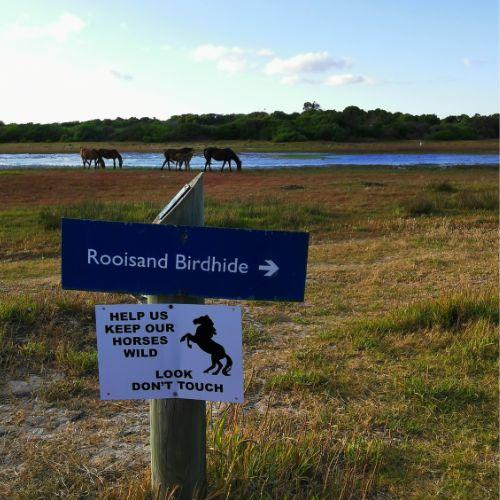
The mystery of the Rooisand horses
The free-roaming horses of the Bot River estuary have lived in this landscape for more than a century. But where did they come from? Even that remains part of the mystery.
CapeNature records them as horses abandoned after the Anglo-Boer War. Other theories suggest they may descend from working Boland wagon horses released when farming became mechanised. One much-loved story links them to horses from the Birkenhead shipwreck, although this has largely been discounted.
Prof Frans van der Merwe, who studied the horses for decades, believed they descended from the old Boland wagon horse. Perhaps some heritage stories never give up all their secrets.
People have known this landscape for a very long time
The human story of the Kogelberg began long before written history. Archaeological evidence points to people living and moving through this landscape since the Early Stone Age, making use of its game, shellfish and edible plants.
Later evidence of Khoi occupation remains along the coastline, including middens and burial sites. It means that many of the places we now experience as hiking trails, conservation areas and coastal villages form part of a human landscape stretching back many thousands of years.
Sources and further reading
CapeNature – Kogelberg Nature Reserve Complex: Historical information on early human occupation of the Kogelberg, T.P. Stokoe and the Rooisand horses. READ MORE
CapeNature – Hottentots Holland Reserve Complex: Information on Gantouw Pass. READ MORE
SANBI – Harold Porter National Botanical Garden: History: Harold Porter’s Shangri-la Nature Reserve, the Zigzag path and the development of the coastal road during World War II. READ MORE
South African History Online – Slave Resistance: The Hangklip maroon community and the history of enslaved people who escaped to the Hangklip area. READ MORE
South African History Online – History of slavery and early colonisation in South Africa: Further historical context on the Hangklip maroon community. READ MORE
South African Military History Society – The Special Signal Services: The World War II radar stations at Hangklip and Silversands. READ MORE
Ralph Pina Outdoor Blog: Historical information on Gantouw Pass as an early route. READ MORE
The Heritage Portal – History of the Old and New Grabouw Passes: Further history of Gantouw, including its association with migrating eland, Khoi travellers and later ox-wagon traffic. READ MORE
Daily Maverick – Free-roaming wild horses in severe danger as habitat shrinks, traffic accidents rise: The different theories surrounding the origins of the Rooisand horses, including the research of Prof Frans van der Merwe. READ MORE
LATEST NEWS
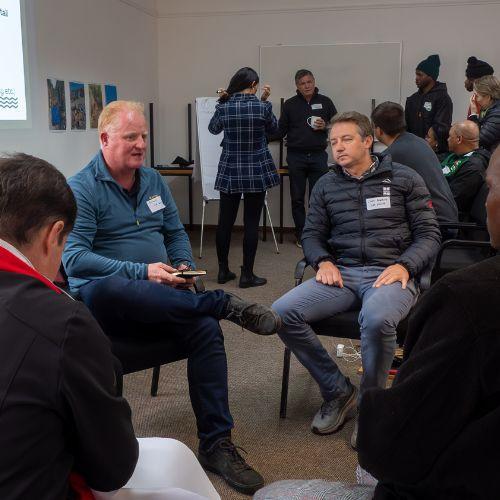
Grabouw comes together to tackle river pollution
Citizen science findings are helping build a clearer picture of waste and water quality challenges in Grabouw – and bringing the community together to find solutions.
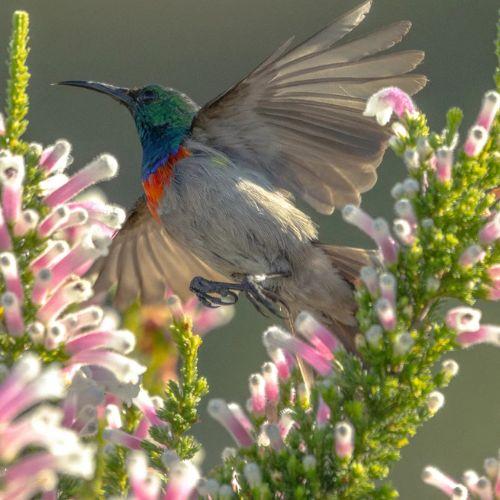
World Photography Day: Behind the lens with Danie Volschenk
If you follow the Kogelberg Biosphere on social media, chances are you’ve already seen the work of photographer Danie Volschenk.
Donate
We are a not-for-profit company and a public benefit organisation. All funds raised therefore go to meeting our motto: Nature for Life.
We can provide 18A tax exemption certificates to donors.
For more information, contact admin@kogelbergbiosphere.org.za
Biosphere Living
Become a Kogelberg Biosphere member – and enjoy benefits specially designed to assist you and/or your business.
You can take the next step, to become even more involved in the Kogelberg Biosphere.
And remember to include us in your social media posts, by using the hashtag: #BiosphereLiving.