
World Photography Day: Behind the lens with Danie Volschenk

If you follow the Kogelberg Biosphere on social media, chances are you’ve already seen the work of photographer Danie Volschenk. Birds in flight and unexpected wildlife encounters regularly feature through his lens – and on his Instagram account, @feathered.footpaths.
Originally from Paarl, Danie now lives in Hertfordshire in the United Kingdom. But with his parents having called Betty’s Bay home for more than 20 years, the Kogelberg Biosphere has become something of a second home for him too.
This World Photography Day, we asked Danie to take us behind the lens – and share some of what he’s learnt about patience, observation and capturing those special moments in nature.


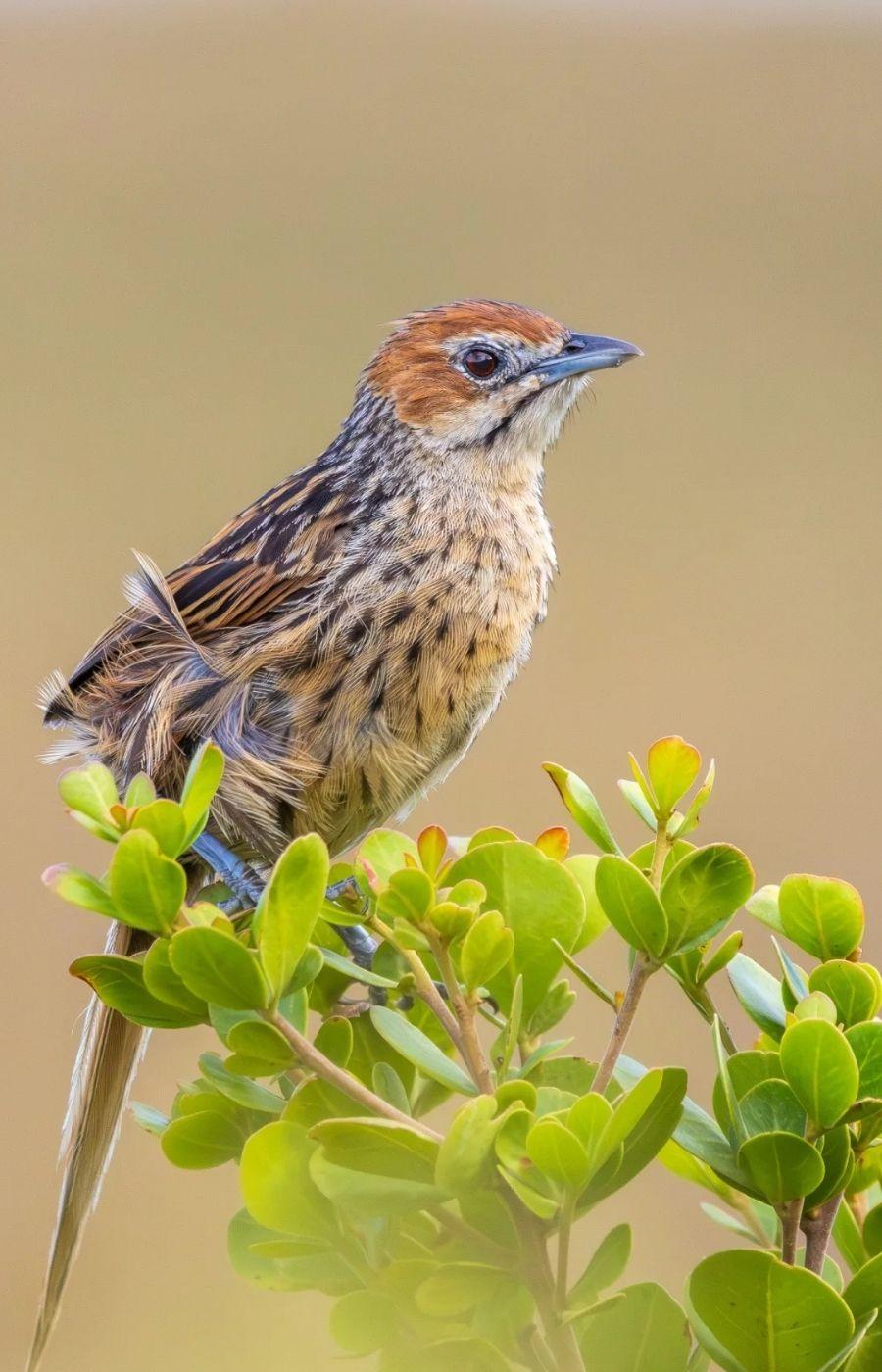
Left: African Black Oystercatcher (Haematopus moquini). Middle: Cape Batis (Batis capensis). Right: Cape Grassbird (Sphenoeacus afer)
Are you a professional photographer, or has photography always been a passion alongside your career?
I’m definitely not a professional photographer. Photography has always been a passion alongside my career in construction. For me, it’s really about getting outdoors, spending time in nature and capturing the moments and experiences I encounter along the way. The photography gives me a reason to slow down, look a little closer and notice things I might otherwise have walked straight past.

Above: African Sacred Ibis (Threskiornis aethiopicus)
What keeps drawing you back to the Kogelberg Biosphere?
What keeps drawing me back is the incredible variety of nature and wildlife. You have this stunning combination of coastline and mountains, together with such a diversity of fauna and flora. There always seems to be something different to see or photograph, no matter how many times I return.
What makes a great wildlife photograph?
For me, a great wildlife photograph is one that captures a moment rather than simply a subject. Of course, we all want a photograph to be sharp, well composed and in good light, but I think there’s much more to it than technical perfection.
I particularly enjoy photographing behaviour and interaction — those moments when an animal is actually doing something and the photograph begins to tell a story.
Patience and observation play a huge part in that. The longer you spend watching wildlife, the more you start to recognise behaviours and sometimes anticipate what might happen next. That’s often when the more interesting photographs come.
But I’ve also come to realise that a great photograph doesn’t necessarily have to be your technically best photograph. Some of my favourite images are favourites because of the experience behind them. They remind me where I was, who I was with and what it felt like to witness that moment.
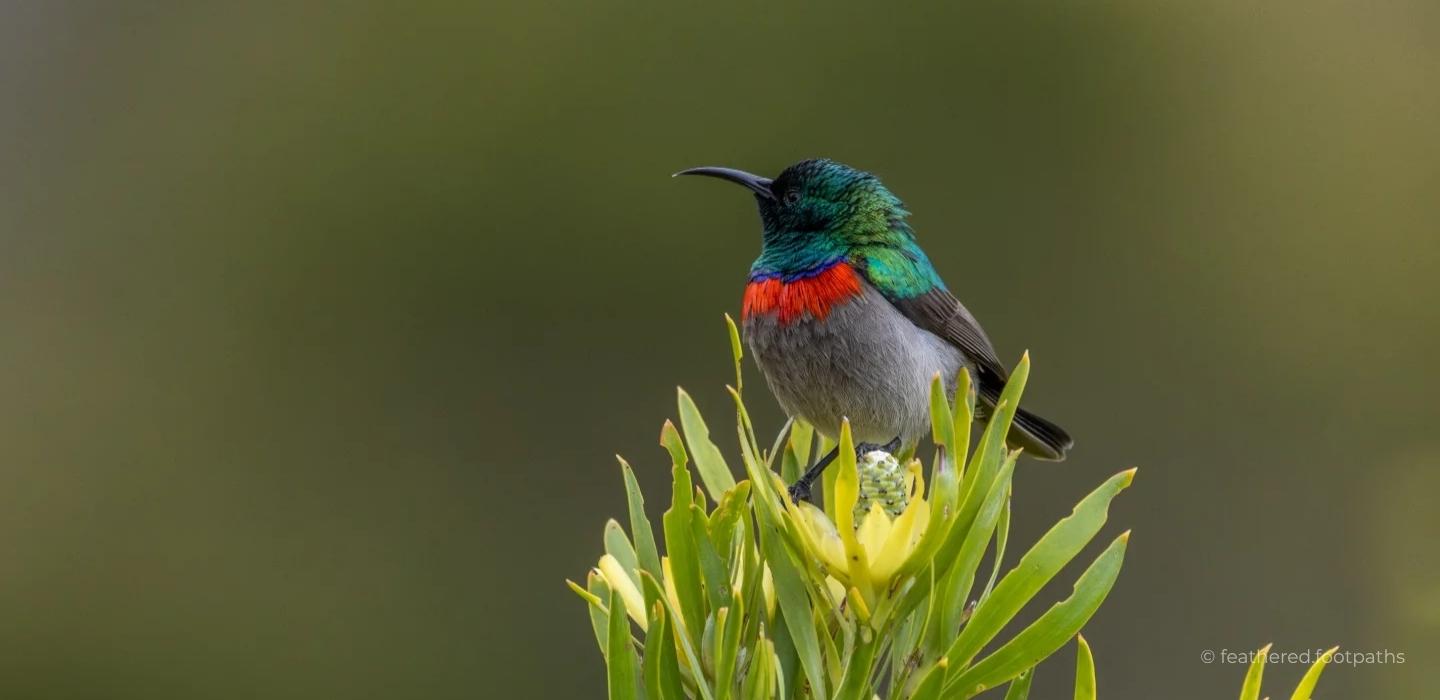
Above: Southern Double-collared Sunbird (Cinnyris chalybeus)


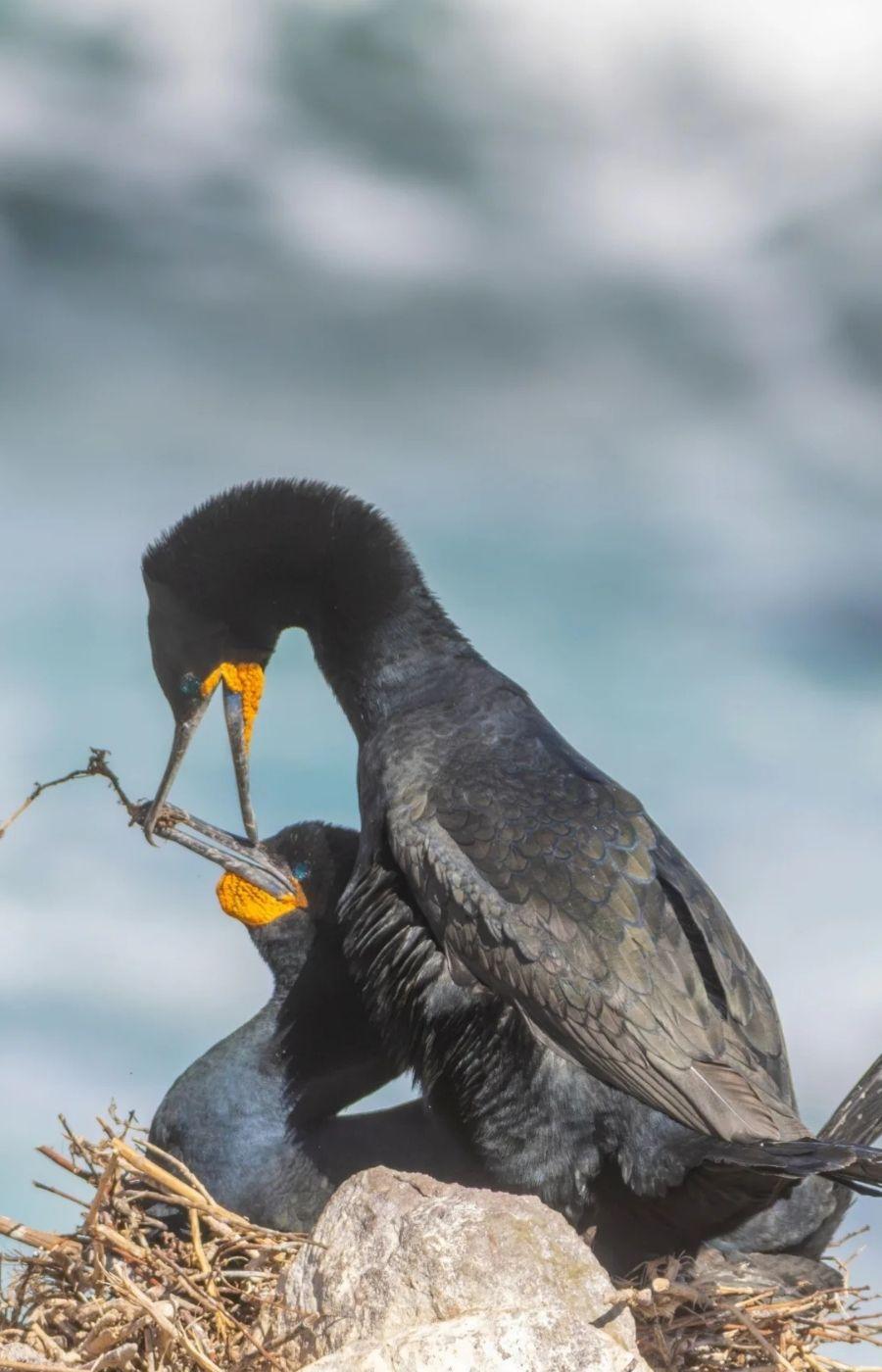
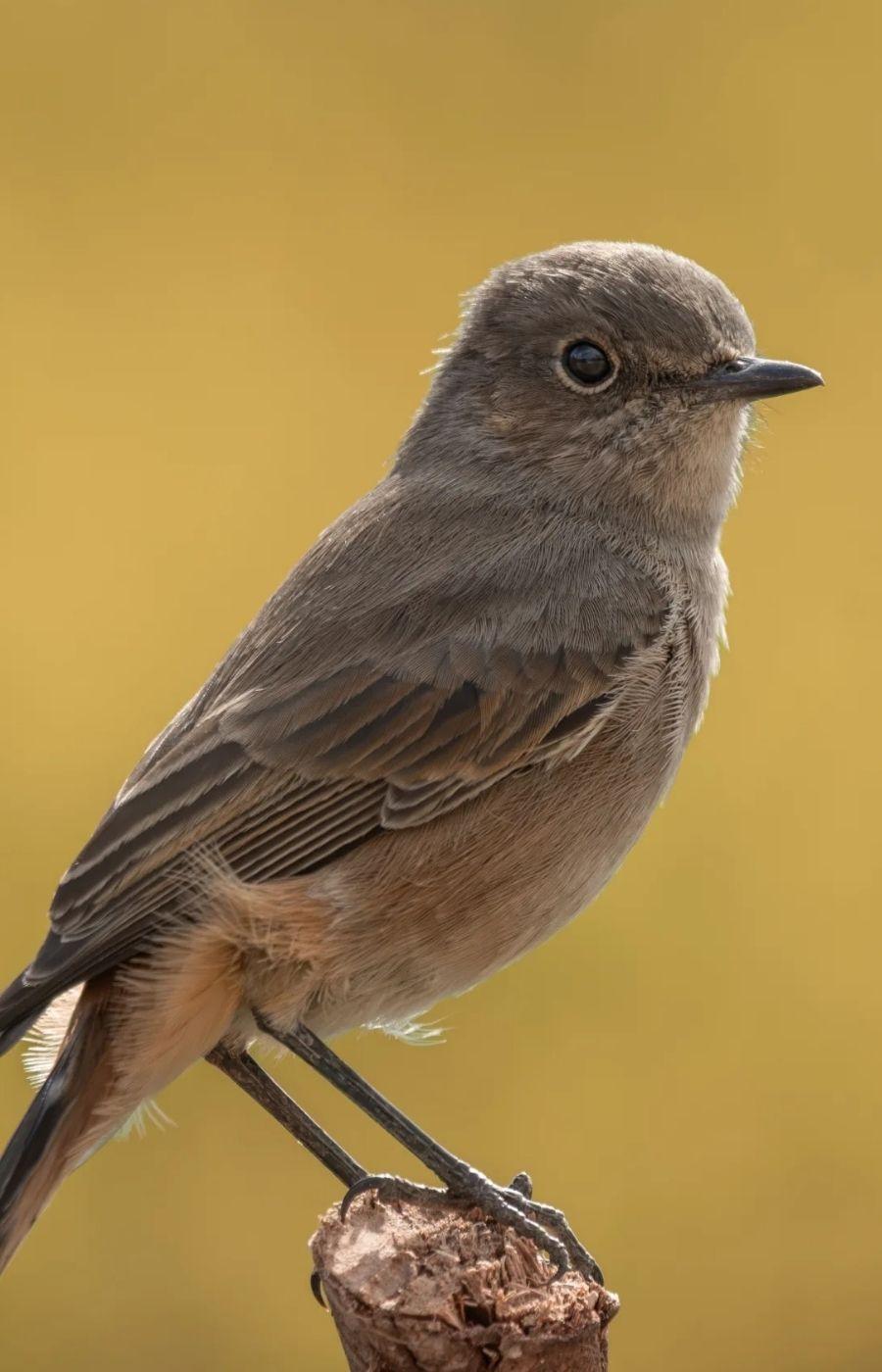
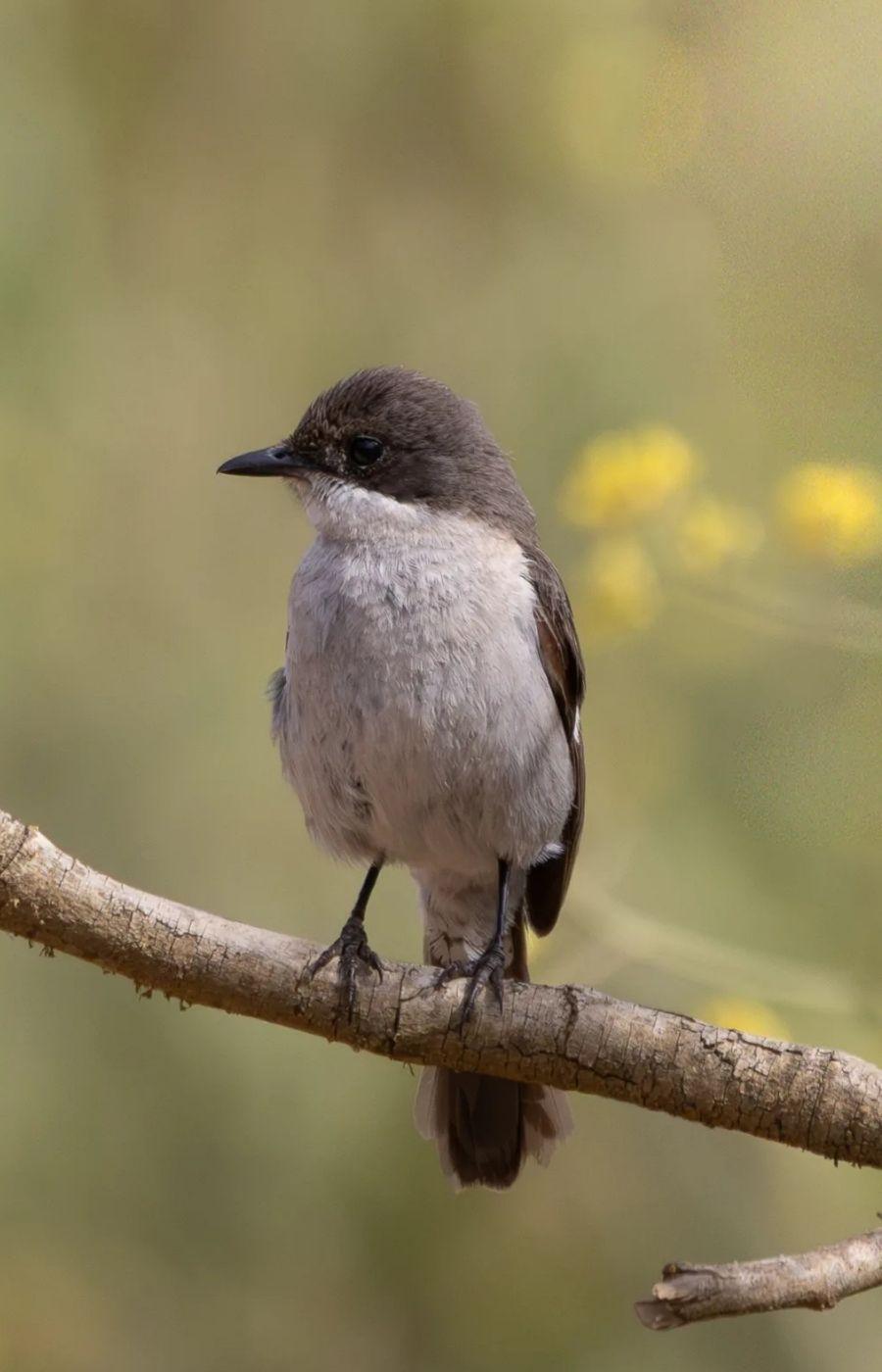

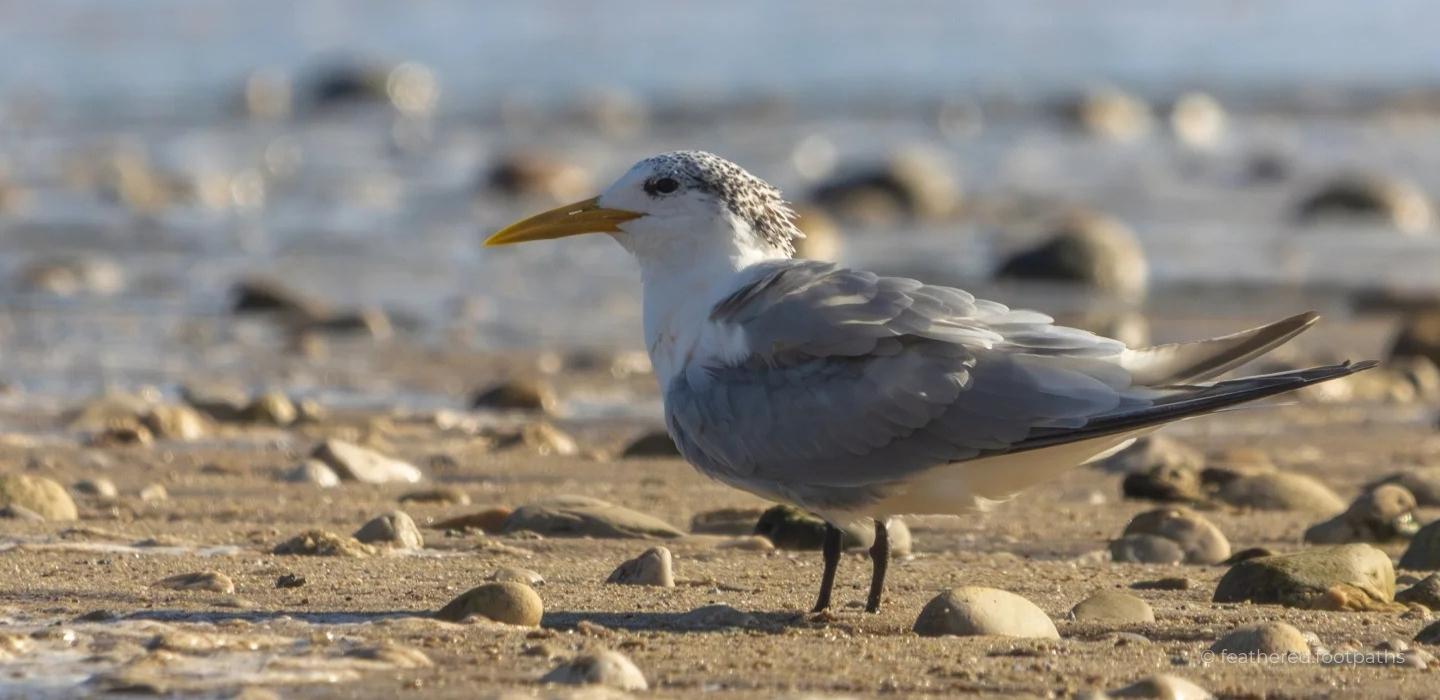
Top: Left: Yellow Bishop (Euplectes capensis). Middle: Levaillant’s Cisticola (Cisticola tinniens). Right: Cape Cormorant (Phalacrocorax capensis). Bottom: Left: Familiar Chat (Oenanthe familiaris). Middle: Fiscal Flycatcher (Sigelus silens). Right: African Penguin (Spheniscus demersus)
Do you have a favourite photograph you’ve ever taken?
What’s the story behind it?
I’d probably have to choose a photograph of a goshawk I took in Estonia, mainly because of the completely unexpected encounter behind it.
My wife and I were visiting Tallinn. One day we caught a local bus out towards the edge of the city, simply to get some fresh air, see a bit of the countryside and go for a walk. About 30 minutes into the walk, we were following a small stream when we started noticing signs of beaver activity. That had completely captured our attention, so we weren’t really looking for much else.
Then, as we came around a bend, I noticed a grey shape sitting in the trees ahead of us. I quickly realised it was a goshawk — and it was staring straight back at us. I froze, whispered to my wife and managed to take a few photographs before it flew down towards the water and eventually disappeared back into the forest. The whole encounter was incredibly brief, but that’s probably what made it so memorable.

Many photographers struggle to capture birds, especially birds in flight. What are your top tips?
Spend some time observing before you start worrying about getting the photograph. Birds will often give you clues about what they’re going to do next. The more familiar you become with their behaviour, the better your chances of anticipating when they might take off, land, hunt or interact.
For birds in flight specifically, I’d suggest using a fast shutter speed, continuous autofocus and burst shooting, and practising your ability to follow the bird smoothly through the viewfinder. I also try to give the bird a little more space in the frame rather than zooming in as tightly as possible. You can always crop afterwards, whereas a clipped wing is rather difficult to put back!
But probably my biggest tip is simply to practise. Photograph gulls, pigeons, ducks — anything that flies. You don’t need to wait for a rare bird.
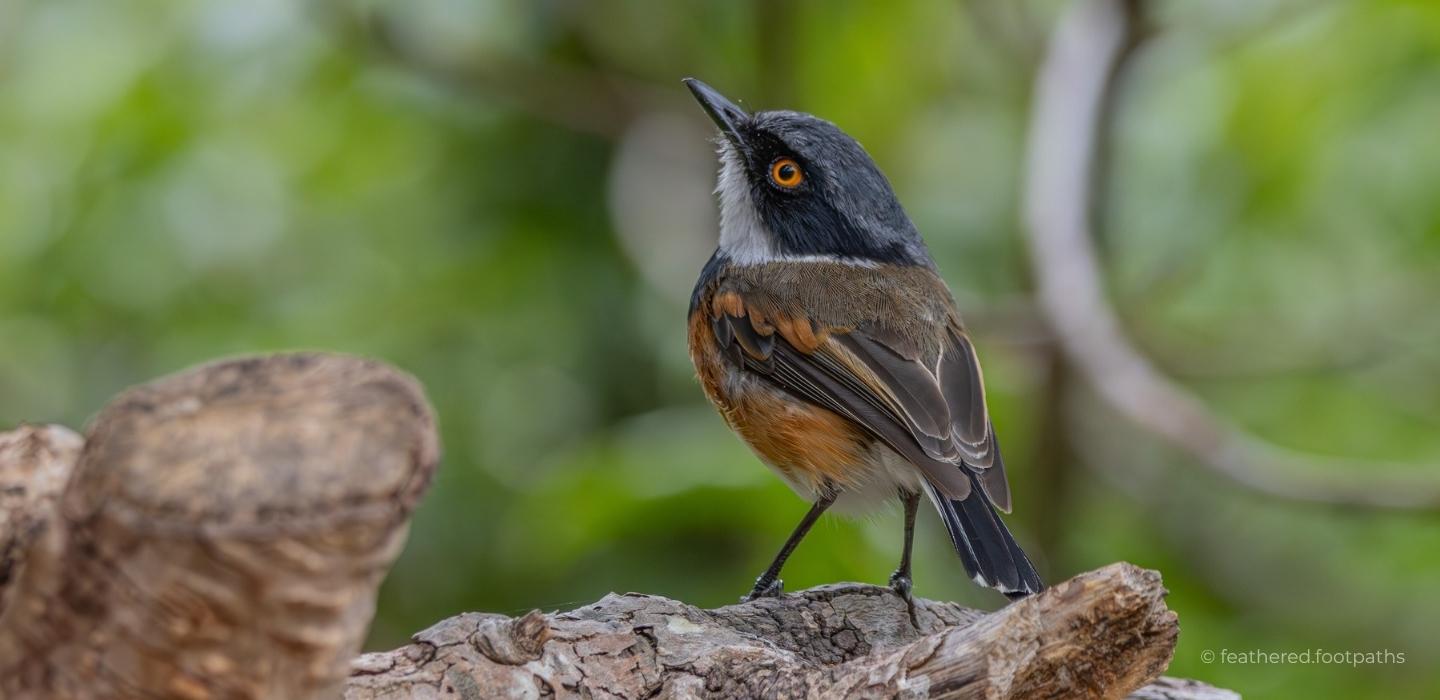
Above: Cape Batis (Batis capensis)
What’s the best piece of advice you’ve learnt over the years?
Probably to slow down and be patient. When I first started photographing wildlife, I think I was much more focused on finding the bird, getting the photograph and then moving on to look for the next thing. Over time I’ve learnt that some of the best opportunities come when you simply stay where you are and watch. Quite often, the photograph you initially stopped for isn’t the photograph you eventually go home with.
It’s also taught me not to chase every opportunity. Sometimes staying in one place, being quiet and allowing the wildlife to carry on naturally around you produces far better results.
Are there common mistakes that beginner wildlife photographers should avoid?
I think one of the biggest mistakes is becoming too focused on getting the photograph and forgetting about the wildlife itself. No photograph is worth disturbing or stressing an animal, so learning to recognise when you’re too close or affecting its natural behaviour is really important.
Another mistake I certainly made was thinking every photograph needed to fill the frame. Sometimes giving the subject more space and including some of its environment tells a much better story.
And don’t be too hard on yourself when photographs don’t work. Wildlife is unpredictable, and you’ll miss far more moments than you’ll capture. That’s all part of it. Every missed shot teaches you something for the next time.
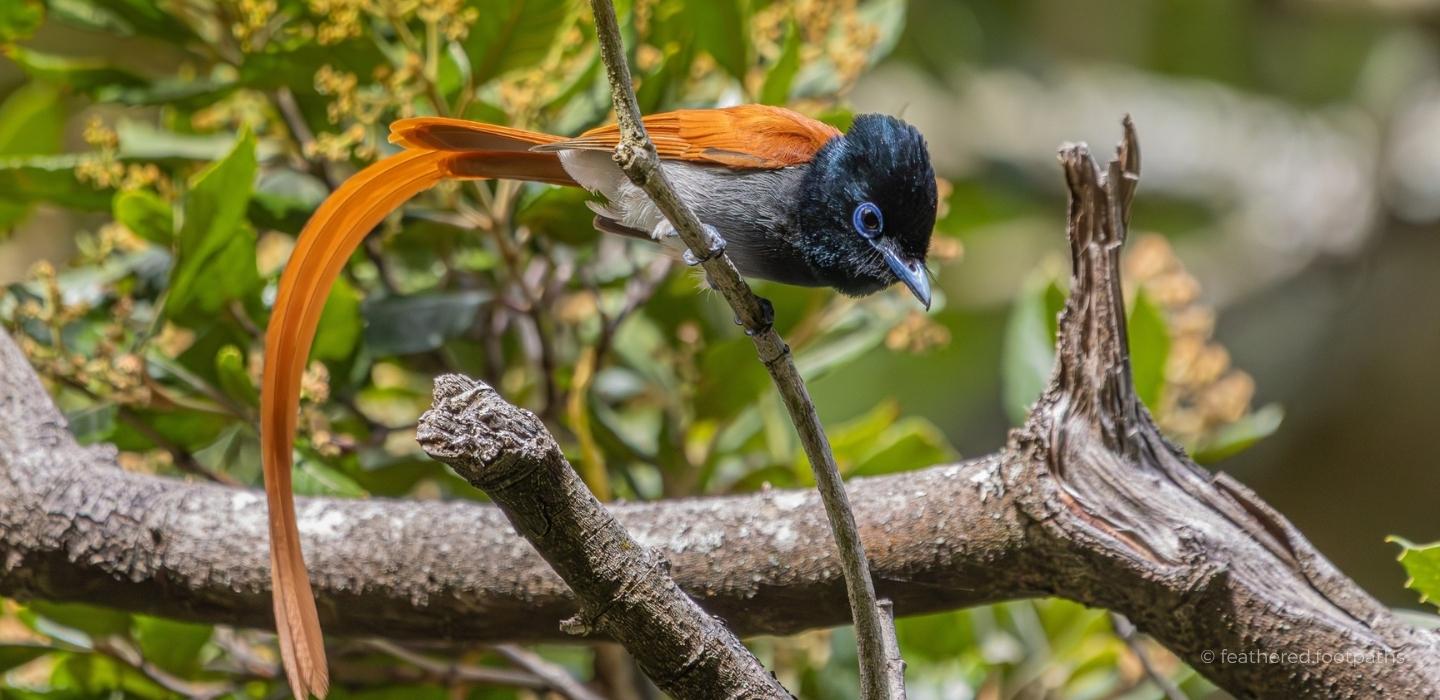
Above: African Paradise Flycatcher (Terpsiphone viridis)
What camera and lenses do you currently use?
I currently use a Canon 90D, paired mainly with a Sigma 150–600mm Contemporary lens for birds and wildlife. I also have a Sigma 105mm Macro lens, which gives me the opportunity to turn my attention to the much smaller side of nature.
There is obviously newer and more expensive equipment available, but I know my camera and lenses well, and I think that counts for a lot. For the variety of nature and wildlife photography I enjoy, the combination gives me pretty much everything I need.
Do you need expensive equipment to take a great wildlife photograph?
Not at all. Good equipment certainly helps, particularly in difficult light or with fast-moving wildlife, but I don’t believe you need the latest or most expensive camera to take a great wildlife photograph.
I think patience, observation and understanding your subject are far more important. Knowing your own camera really well also makes a huge difference.
There’s a saying that the best camera is the one you have with you, and I think there’s a lot of truth in that. I’d much rather encourage someone to get outdoors with an older camera — or even their phone — than think they can’t enjoy photography because they don’t own expensive equipment.

Above: Kittlitz’s Plover (Charadrius pecuarius)
What advice would you give amateur photographers who want to develop a better eye for nature photography?
I’d say get outdoors as often as you can and learn to really look at what’s around you. You don’t always need to travel somewhere exotic or find a rare species to make an interesting photograph. Some of the best practice can be had in your local park, nature reserve or even your own garden.
Try looking beyond simply getting a close-up of the animal. Pay attention to the light, the background, the surroundings and what the animal is doing. Move around if you can, try different angles, get lower, give the subject some space in the frame and think about the story you want the photograph to tell.
Most importantly, take lots of photographs and experiment. Your eye develops with experience. The more time you spend outdoors with a camera, the more you start noticing opportunities that you probably would have walked straight past before.
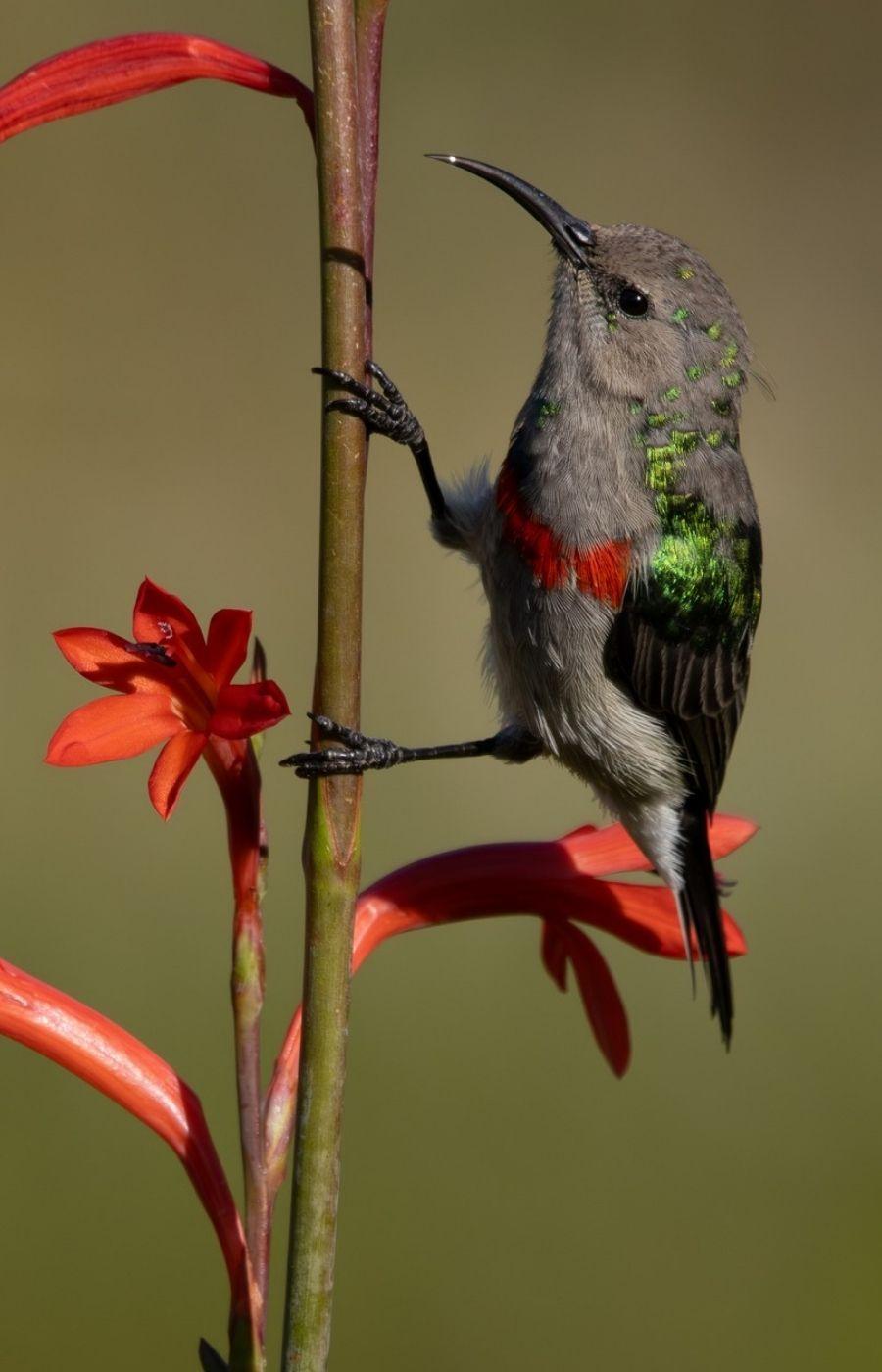
Juvenile Southern Double-collared Sunbird (Cinnyris chalybeus)
With Betty’s Bay having become your second home, what do you enjoy most about spending time in the biosphere?
What I enjoy most is having so much nature right on the doorstep. You have the mountains behind you, the coastline in front of you and an incredible variety of wildlife, birds and plant life in between. You don’t necessarily have to plan a big day out to experience nature here — sometimes you simply step outside and see what turns up.
Is there a favourite place in the biosphere that you return to with your camera?
There are probably two — Harold Porter National Botanical Garden and Rooisand Nature Reserve, but for quite different reasons.
Harold Porter is somewhere I return to regularly because of the incredible variety. Rooisand appeals to me for a completely different reason. I love its remoteness and the fact that you can often visit without seeing many other people. There’s something special about walking there with a camera, surrounded by all that open space and nature.
Which wildlife encounters in the Kogelberg Biosphere have been particularly memorable?
Seeing an osprey at Rooisand on the Bot River Estuary was particularly memorable, as was watching a black harrier patrolling alongside the Bot River. Another was encountering a giant kingfisher on the Palmiet River.
Interestingly, the photographs from these encounters weren’t necessarily my best. But the experiences themselves are some of my favourite memories of photographing wildlife in the biosphere.
Of course I want to take the best photograph I possibly can, but sometimes the photograph is simply a record of the experience. Years later, even an imperfect image can take you straight back to where you were, what you saw and, most importantly, who you shared it with. For me, those memories are often far more valuable than a technically perfect photograph.
Is there one photograph you still dream of taking?
Without question, a Cape leopard in the Kogelberg. If it ever does happen, I suspect the experience of actually seeing a leopard in the wild here would mean far more to me than whether I managed to get the perfect photograph.
If World Photography Day could inspire more people to pick up a camera and head outdoors, what would you hope they discover?
I’d hope they discover that photography can give you a reason to slow down, look around and really notice what’s happening in the world around you.
You don’t need to travel somewhere exotic or own expensive equipment. Take your camera, or even just your phone, and go for a walk. Visit your local park, follow a footpath or explore somewhere you’ve driven past a hundred times. Once you start actively looking for things to photograph, it’s amazing how much you begin to notice.
And I’d hope people discover that the photograph itself doesn’t always have to be the reward. Sometimes it’s the walk, the fresh air, something unexpected you encounter, or simply sharing that experience with somebody else.
If photography encourages someone to spend a little more time outdoors, become curious about the wildlife around them and appreciate the natural world a little more, then I think that’s a pretty good outcome for World Photography Day.
See more of Danie Volschenk’s photography:
Instagram: @feathered.footpaths | Facebook: Feathered Footpaths
LATEST NEWS

How cuisine drives conservation in the Kogelberg Biosphere
The Kogelberg Biosphere has been selected as the African partner site in a new pilot project led by international hospitality operator Relais & Châteaux in collaboration with UNESCO.

Overberg wildfires: How YOU can help
What’s one word that this year captures summer in the Overberg – and also across the Western Cape? Wildfires must be a top contender.
Donate
We are a not-for-profit company and a public benefit organisation. All funds raised therefore go to meeting our motto: Nature for Life.
We can provide 18A tax exemption certificates to donors.
For more information, contact admin@kogelbergbiosphere.org.za
Biosphere Living
Become a Kogelberg Biosphere member – and enjoy benefits specially designed to assist you and/or your business.
You can take the next step, to become even more involved in the Kogelberg Biosphere.
And remember to include us in your social media posts, by using the hashtag: #BiosphereLiving.